Many patients first hear the term “bone-on-bone arthritis” during an evaluation for persistent joint pain, especially in the hips or knees. The phrase refers to an advanced form of osteoarthritis in which the joint’s cushioning cartilage has worn down significantly. Without this protective layer, the bones that make up the joint rub against each other, causing inflammation, stiffness, and discomfort.
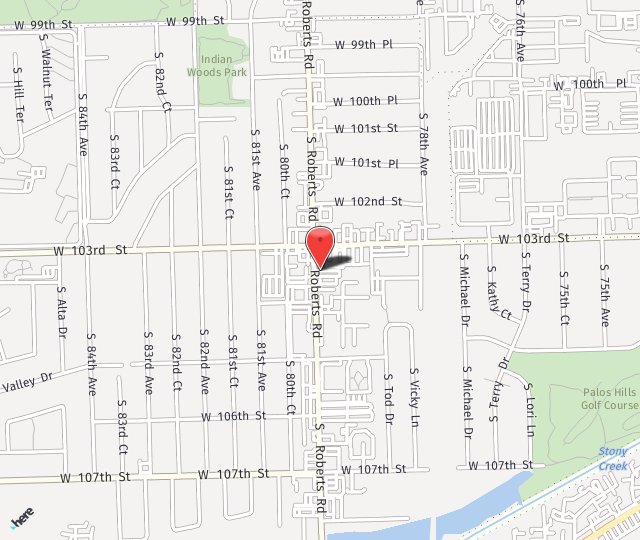
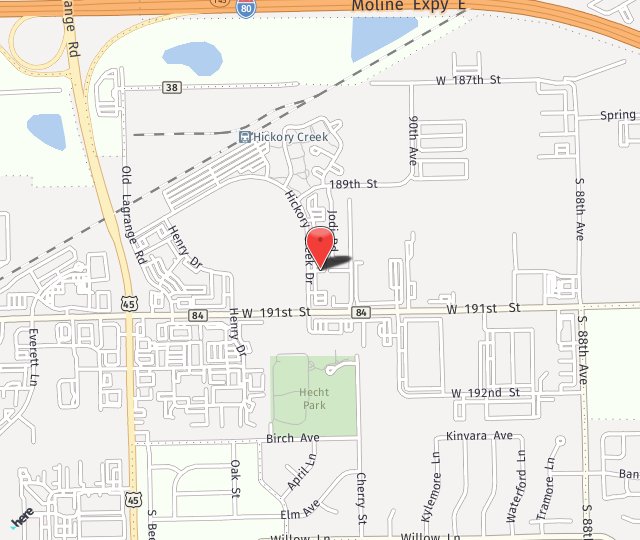
If you’re looking for clarity about your symptoms, understanding what bone-on-bone arthritis means is an important first step toward relief. At his Palos Hills and Mokena offices, Dr. Sarkis Bedikian uses education as a foundation of care, helping patients understand the condition and how it affects long-term mobility. Here’s what you should know about bone-on-bone arthritis.
How Bone on Bone Develops
Healthy joints rely on cartilage to provide a smooth, gliding surface. Over time, cartilage can break down due to age, prior injuries, genetics, repetitive motion, or chronic inflammation. As cartilage thins, the space between the bones narrows. In more advanced cases, that space may disappear entirely.
When this happens, the joint loses its natural shock absorption, and the bones begin to rub together. This friction can lead to swelling, pain, and reduced range of motion. Bone spurs may develop where the bones intersect, leading to even more pain and stiffness.
Patients often describe feeling grinding or catching sensations in the joint. They may notice stiffness in the morning or after prolonged sitting. In the hips and knees, the symptoms can interfere with walking, exercise, and daily activities. Dr. Bedikian’s approach emphasizes early evaluation, enabling patients to understand the extent of their arthritis and explore treatment options that suit their lifestyle.
How Bone-on-Bone Arthritis Is Diagnosed
Diagnosis usually begins with a medical history and physical exam. Imaging, such as X-rays, helps reveal the degree of cartilage loss by showing how much joint space remains. In some cases, Dr. Bedikian may also evaluate nearby structures to determine whether inflammation, instability, or previous injuries contribute to the discomfort.
Treatment Options for Bone-on-Bone Arthritis
Although cartilage can’t regrow once severely worn down, many treatments can improve stability and reduce pain. Early stages may respond to activity modification, physical therapy, weight management, or medications. Some patients benefit from injections that help reduce inflammation or injections that add joint-padding fluid.
When arthritis is more advanced, joint replacement may offer the most significant improvement in mobility and comfort. Dr. Bedikian is committed to guiding patients through each stage of decision-making, helping them understand realistic expectations and recovery goals. He views himself as a partner in orthopedic wellness, a philosophy reflected in the positive feedback he has received from many patients who appreciate his clear communication and thoughtful approach.
Arthritis Help in Palos Hills and Mokena
If you’re concerned you may have bone-on-bone arthritis, Dr. Bedikian can provide clarity and symptom relief in the Chicago area. Call 708-237-7200 to book your appointment.